
Blogs
Lower Back Pain When Standing: Why It Happens and What To Do
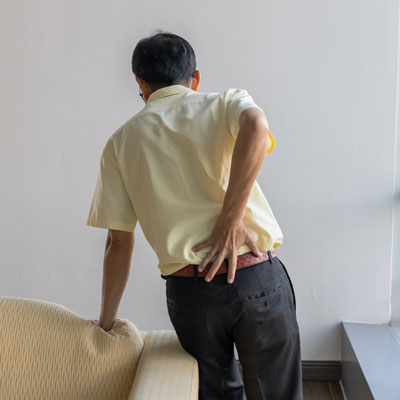
Lower back pain when standing may start after a few minutes or only after you have been on your feet for a long time. Some people feel better when they sit down or move around, while others develop pain that spreads into the buttock or leg.
How your pain changes with standing, sitting, and walking can provide clues about what may be contributing to it. A chiropractor in Irvine, CA can evaluate these patterns along with your movement and other symptoms to determine the appropriate next step.
Why does my lower back hurt when standing?
Standing puts a steady load on your lower back while the muscles around your spine, abdomen, and hips work to keep you upright. When you stay in the same position for too long, these muscles can become tired, which may lead to aching or stiffness.
Standing can also make an existing problem in a joint, disc or nerve more noticeable. In other words, standing may trigger the pain without being the actual cause. The way your pain changes when you sit, walk or change positions can help point to what may be causing it.
5 common causes of lower back pain when standing
1. Muscle strain and fatigue
The muscles around your spine work continuously while you stand. Long periods on your feet, repetitive lifting, physical work or a sudden increase in activity can lead to soreness and fatigue.
Muscle related pain often feels like aching, tightness or stiffness and may improve when you change positions or move around.
2. Posture and prolonged standing habits
There is no single perfect posture that prevents back pain. The bigger issue may be staying in the same position for too long.
Leaning toward one side, locking your knees or working at an uncomfortable height can change how your body handles load. Changing positions regularly may be more helpful than trying to maintain one rigid posture all day.
3. Disc related problems
Spinal discs sit between the vertebrae and help distribute forces through the lower back. When a disc becomes irritated, symptoms can remain in the back or involve nearby nerves.
A bulging or herniated disc does not always cause pain. When a nearby nerve is irritated, pain, tingling, or numbness may spread into the buttock or leg. Both a herniated disc and bulging disc can produce similar symptoms when nearby nerves are affected.
4. Sciatica and nerve irritation
Sciatica occurs when the sciatic nerve or one of the nerve roots that contribute to it becomes irritated or compressed.
Symptoms may include shooting or burning pain through the buttock and leg, sometimes with tingling, numbness or weakness. Standing may make these symptoms worse for some people.
5. Lumbar spinal stenosis
Lumbar spinal stenosis involves narrowing around nerves in the lower spine.
A common pattern is discomfort that increases with standing or walking and improves when sitting or leaning forward. Symptoms can include back pain, leg pain, heaviness, tingling or numbness.
This pattern can provide a useful clue, but an evaluation is needed to determine the cause.
How to relieve lower back pain after standing
Mild discomfort related to prolonged standing may improve with a few changes to your routine.
Change positions regularly
Avoid spending long periods in one position. Alternate between standing, walking, sitting, and other comfortable positions when possible.
Take short movement breaks
Brief walking breaks can give your lower back a break from staying in the same position. Even a few minutes of comfortable movement can help reduce stiffness and muscle fatigue during long periods of standing.
Adjust your standing setup
If your work requires you to stand for long periods:
- Shift your position periodically.
- Avoid leaning to the same side for long periods.
- Keep frequently used items within easy reach.
- Adjust your work surface when possible.
- Choose comfortable footwear appropriate for your activity.
The goal is not to hold one perfect posture. It is to make regular movement easier.
Build strength and mobility gradually
Regular physical activity can improve your ability to tolerate everyday positions and movements. Depending on your needs, exercises may focus on your trunk, hips or general mobility.
If an exercise consistently causes pain to travel farther into your buttock or leg, stop and have your symptoms evaluated.
When home care is not enough
Consider an evaluation if:
- Pain keeps returning.
- Your standing tolerance is getting shorter.
- Symptoms interfere with daily activities.
- Pain begins traveling into the buttock or leg.
- Tingling or numbness persists.
- Activity changes are not helping.
An evaluation may consider when symptoms start, what makes them better or worse, how you move, and whether there are signs of nerve involvement.
Imaging is not automatically required for lower back pain. The need for an X-ray, MRI, or other testing depends on your history, examination findings, and symptoms.
Some symptoms require more immediate attention. Seek prompt medical care for new loss of bladder or bowel control, numbness around the groin or inner thighs, significant or worsening leg weakness, or severe back pain following a major injury.
Chiropractic care for lower back pain when standing
The appropriate treatment depends on what appears to be contributing to your symptoms.
At Zen Care Physical Medicine in Irvine, evaluation can consider your posture, spinal movement, symptom pattern, and neurological findings. When conservative chiropractic care is appropriate, treatment may include chiropractic adjustments, corrective care, traction, and personalized exercises.
For certain disc related problems, spinal decompression for back pain may also be considered. It is not appropriate for every type of lower back pain, which is why identifying the likely source of your symptoms comes first.
Frequently asked questions
Why does my lower back hurt after standing for only a few minutes?
Pain that starts quickly may reflect sensitivity to a sustained position, muscle fatigue or another underlying issue. If it happens regularly or your standing tolerance is getting worse, consider having it evaluated.
Is walking better than standing for lower back pain?
Walking may feel better than standing still because your body continuously changes position and load. However, whether walking helps depends on the cause and severity of your symptoms.
Can sciatica cause lower back pain when standing?
Sciatica can occur alongside lower back pain, and symptoms may become more noticeable while standing in some people. Pain may also travel through the buttock and leg, sometimes with tingling or numbness.
Pay attention to how your back pain changes
How long you can stand before pain begins, whether movement provides relief, and whether symptoms spread into your leg can all be useful information. Changes in these patterns over time are also worth paying attention to.
If lower back pain keeps returning or makes standing increasingly difficult, contact us to schedule an evaluation at Zen Care Physical Medicine in Irvine.