
Blogs
What Does Joint Pain Feel Like? Common Sensations, Symptoms, and Causes
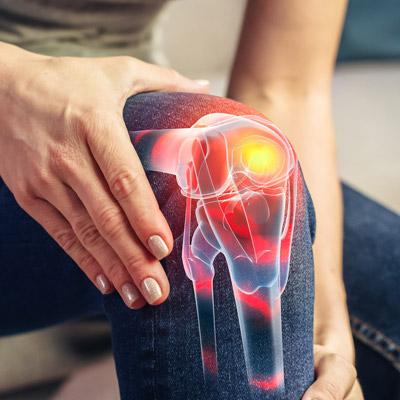
You wake up and your knee feels stiff. Or maybe your shoulder aches when you reach overhead. You’re wondering – is this actually joint pain, or could it be something else? And more importantly, what does joint pain feel like compared to muscle soreness or other types of discomfort?
This article breaks down exactly what joint pain feels like, what causes those sensations, and when you should seek professional evaluation. Let’s help you identify what your body is trying to tell you.
What Is Joint Pain?
Joints are the connection points where bones meet – like your knees, hips, shoulders, spine, and fingers. They allow movement through a complex system of cartilage, ligaments, fluid, and surrounding tissues.
How pain develops: Joint pain occurs when any of these structures become inflamed, damaged, or irritated. The pain signals your brain receives depend on what’s actually wrong – inflammation feels different from worn cartilage, which feels different from a torn ligament.
Why it varies from person to person: Pain is subjective. What one person describes as “aching” might be “burning” to someone else. Age, activity level, underlying conditions, and even pain tolerance all influence how joint pain presents.
Most commonly affected joints:
- Knees (weight-bearing stress)
- Hips (movement and stability)
- Shoulders (range of motion demands)
- Spine (constant support and flexibility)
- Hands and fingers (repetitive use)
What Does Joint Pain Feel Like? Common Sensations
Here’s where we get specific. Joint pain isn’t one uniform feeling – it shows up in distinct ways depending on what’s causing it.
Dull, Aching Pain
This is the most common description. It feels like a persistent, low-grade discomfort that’s always present but rarely sharp. Think of it as background noise that never quite goes away.
Stiffness or Tightness (Especially After Rest)
Your joint feels “stuck” or resistant to movement, particularly first thing in the morning or after sitting for long periods. Movement gradually loosens it up, but that initial stiffness is unmistakable.
Sharp or Stabbing Pain With Movement
Certain movements trigger sudden, intense pain – like a jolt of electricity or a knife-like sensation. This often indicates structural damage like a torn meniscus or bone-on-bone contact.
Grinding, Clicking, or Popping Sensations
These aren’t always painful, but they’re concerning. You might feel or hear a grinding (crepitus), clicking, or popping when you move the joint. This often signals cartilage wear or loose tissue.
Burning or Throbbing Discomfort
Some people describe joint pain as a burning sensation or rhythmic throbbing that matches their pulse. This often accompanies inflammation.
Swelling or Warmth Around the Joint
Visible puffiness, tightness, or warmth to the touch indicates active inflammation. The joint may look larger than normal or feel hot.
Reduced Range of Motion
You simply can’t move the joint through its full range anymore. Reaching overhead becomes limited, or bending your knee all the way feels impossible.
How Joint Pain Can Change Based on Timing and Activity
Understanding when your joint hurts provides important clues about what’s causing it.
Joint Pain in the Morning
Morning stiffness lasting 30+ minutes often points to inflammatory conditions like rheumatoid arthritis. Your joints feel frozen when you first wake up but gradually loosen as you move around.
Brief morning stiffness (under 30 minutes) typically suggests mechanical wear like osteoarthritis. The joint is stiff from being still overnight but improves relatively quickly.
Joint Pain During or After Movement
Pain that improves with gentle motion suggests inflammatory arthritis. Movement helps flush inflammatory chemicals from the joint, providing temporary relief.
Pain that worsens with use indicates mechanical problems like osteoarthritis or cartilage damage. The more you use the joint, the worse it feels.
Joint Pain at Night or at Rest
Pain that disrupts sleep often has an inflammatory component. Your body’s inflammatory response peaks at night, making joint pain worse.
Nerve-related joint pain can also worsen at rest, particularly if nerve compression is involved.
What Causes Joint Pain?
Osteoarthritis (Wear-and-Tear Joint Pain)
This is the most common cause of joint pain, especially after age 50. Cartilage that cushions bones gradually wears away, causing bones to rub together.
What it feels like:
- Stiffness after rest
- Grinding or popping sensations
- Pain that worsens with activity
- Good days and bad days
Inflammatory Arthritis (e.g., Rheumatoid Arthritis)
Unlike osteoarthritis, this is an autoimmune condition where your immune system attacks joint tissues.
What it feels like:
- Swelling and warmth
- Prolonged morning stiffness (1+ hours)
- Symmetrical joint involvement (both hands, both knees)
- Fatigue alongside pain
Joint Injuries
Sprains, strains, torn ligaments, or damaged cartilage from accidents, sports, or falls create immediate and ongoing joint pain.
What it feels like:
- Sharp pain with specific movements
- Swelling and bruising
- Instability or feeling like the joint might give out
Gout
Gout is caused by uric acid crystal deposits in joints, most commonly affecting the big toe.
What it feels like:
- Sudden, intense pain (often at night)
- Extreme tenderness to touch
- Red, hot, swollen joint
- Pain peaks within 24 hours
Fibromyalgia
This chronic pain condition creates widespread discomfort that includes joints, though the joints themselves aren’t damaged.
What it feels like:
- Diffuse aching throughout the body
- Tender points near joints
- Pain without visible inflammation
Joint Infections (Rare but Serious)
Septic arthritis is a medical emergency requiring immediate treatment.
What it feels like:
- Severe pain and swelling
- Fever and chills
- Inability to move the joint
- Rapid onset
How Corrective Chiropractic Care Can Help Joint Pain
At Zen Care Chiropractic, as your chiropractor Irvine, we focus on supporting joint health through proper alignment and movement restoration.
What chiropractic care addresses:
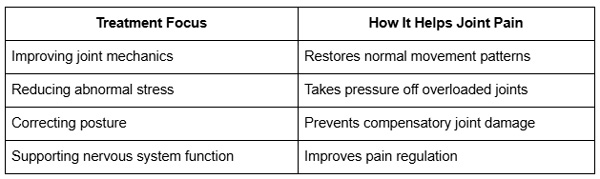
Complementary role: Chiropractic care works best alongside appropriate medical treatment. For inflammatory conditions, you may need medication. For severe damage, you might need orthopedic intervention. We support your overall joint health as part of a comprehensive care team.
Final Thoughts
Understanding what joint pain feels like is more than academic curiosity – it’s your body communicating important information. The type of pain, when it occurs, and how it responds to movement all provide clues about what’s actually wrong.
Pain isn’t just discomfort to endure. It’s a signal that something needs attention. Early evaluation and appropriate treatment prevent minor joint issues from becoming permanent damage.
At Zen Care Chiropractic in Irvine, CA, we help patients understand their joint pain and create plans that support long-term joint health and function.
Your joints are meant to move freely and comfortably. Let’s find out what’s standing in the way.
See more: Understanding and Dealing with Tennis Elbow and Joint-Inflaming Injuries