
Blogs
Can Chiropractic Care Help With Anxiety? What the Nervous System Has to Do With It

Most people think anxiety is all in the head. But if you’ve ever felt your shoulders tighten, your jaw clench, or your chest get heavy before a stressful day – your body already knows the truth.
Anxiety is physical. And the question we get asked often at our practice is: can chiropractic help anxiety? Based on what we see clinically and what the research shows, the answer is worth exploring.
Anxiety Isn’t Just in Your Head
Common physical symptoms of anxiety
Before your mind registers stress, your body is already reacting. Some of the most common physical signs include:
- Muscle tension (especially in the neck and shoulders)
- Tension headaches
- Chronic fatigue – even after a full night’s sleep
- Digestive issues like bloating, nausea, or stomach cramps
Why anxiety often feels physical
Here’s the thing: stress gets stored in the body. Over time, ongoing tension accumulates in the muscles, joints, and spine. Your body holds onto it and it doesn’t just disappear on its own.
Think of your body like a pressure cooker. Without a release valve, the pressure keeps building. That’s often exactly what chronic anxiety looks and feels like, physically.
The Spine–Nervous System Connection
Why spinal health matters more than you think
Your spine does far more than keep you upright. It protects the spinal cord – the main pathway for nerve signals between your brain and the rest of your body. When that pathway is clear, communication flows. When there’s misalignment or tension along the spine, that communication gets disrupted.
How posture and tension affect nerve signaling
We see this pattern all the time. Someone sits at a desk for 8–10 hours a day, develops “tech neck,” and starts noticing unexplained headaches, low energy, or irritability. The spine shifts. That shift creates pressure on nearby nerves – the same nerves that help regulate the body’s stress response.
It’s not a coincidence. It’s anatomy.
The hidden impact on stress and mood
Physical stress and mental stress don’t exist in separate boxes. When your body is stuck in a tense, misaligned state, it sends a low-grade distress signal to the brain – constantly. That signal amplifies anxiety. So even if you’re doing everything right mentally, a body under physical tension can quietly work against you.
How Can Chiropractic Help Anxiety? What the Research Says
Reducing physical tension in the body
Chiropractic adjustments release accumulated tension in the neck, shoulders, and back – the areas where we carry stress most heavily. As that physical tension unwinds, many of our patients say they feel noticeably calmer afterward. Not just loser. Calmer.
Supporting nervous system function
The research supports this. A 2024 study published in Brain Sciences (Haavik et al.) found that chiropractic care had a significant positive effect on anxiety, fatigue, and depression – alongside measurable changes in brain activity on EEG.
Research in the Journal of Neural Plasticity further found that spinal adjustments can influence the prefrontal cortex – the part of the brain responsible for emotional regulation and stress control.
Additionally, a review in Acta Bio Medica found that spinal manipulation may activate the parasympathetic nervous system, the “rest and digest” branch, helping to counter an overactive stress response.
Helping the body shift out of “fight-or-flight”
This is really what we’re working toward. Anxiety locks the body in sympathetic overdrive – the fight-or-flight state. Chiropractic care, particularly upper cervical adjustments, has been shown to help move the body into a parasympathetic, more regulated state.
A 2011 study in the Journal of Upper Cervical Chiropractic Research found that patients receiving upper cervical adjustments showed significant reductions in anxiety scores on standardized assessments.
Who Might Benefit Most From This Approach?
Not everyone with anxiety will benefit from chiropractic care. But certain groups tend to respond especially well:
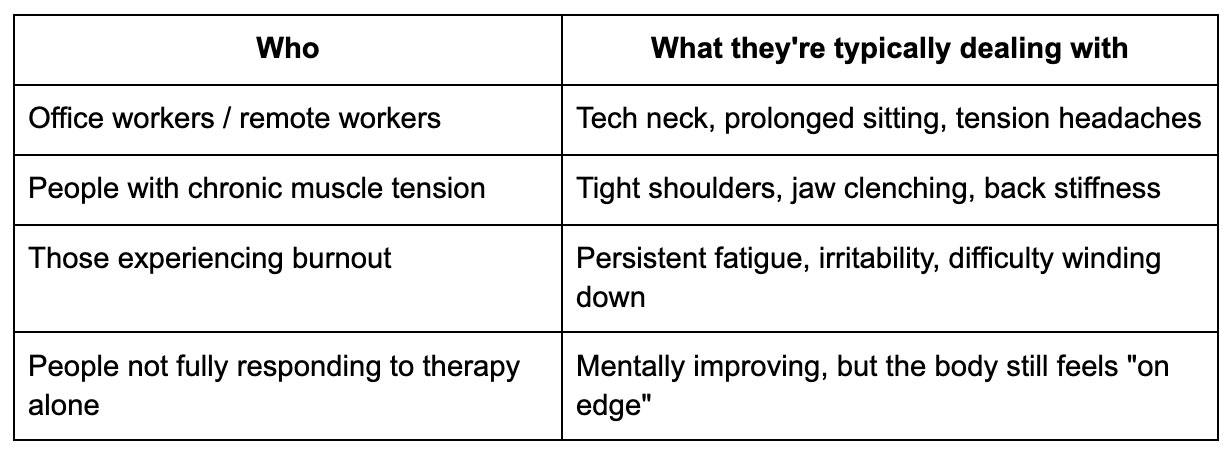
As a Chiropractor in Irvine, we work with many patients who fit these profiles. Often, they’ve already tried therapy or lifestyle changes and those helped – but something physical was still holding them back.
When to Seek Professional Help
We want to be straightforward here: chiropractic care is not a treatment for anxiety disorders. If you’re experiencing any of the following, please reach out to a licensed mental health professional:
- Severe or persistent anxiety that disrupts daily life
- Panic attacks
- Anxiety that affects your ability to work, sleep, or maintain relationships
Chiropractic works best as a complement to mental health care – not a replacement for it.
A Whole-Body Approach to Anxiety
Here’s the reframe we always come back to: mental health is not just mental. It’s neurological. It’s physical. It lives in your nervous system, your posture, and your spine just as much as it lives in your thoughts.
If you’ve been managing stress but your body still feels wound tight – that’s worth paying attention to.
Can chiropractic help anxiety? We believe it can be a meaningful piece of the puzzle for the right person. Not a cure. But a genuine, evidence-supported way to support a nervous system that’s been working too hard for too long.
Ready to explore a whole-body approach to stress and anxiety? Book a consultation at Zen Care Chiropractic and let’s take a closer look at what your nervous system is telling you.
Frequently Asked Questions
Can chiropractic adjustments reduce anxiety?
Research suggests chiropractic care may support anxiety relief by reducing physical tension and improving nervous system regulation. It’s not a standalone treatment for anxiety disorders, but it can be a meaningful complement to existing care.
How does the nervous system affect anxiety?
The autonomic nervous system controls your stress response. When the sympathetic (“fight-or-flight”) side is overactive, anxiety symptoms intensify. Chiropractic care may help restore balance by activating the parasympathetic (“rest and digest”) system.
Is chiropractic care safe for stress-related conditions?
For most people, yes. Chiropractic care is generally considered safe when provided by a licensed professional following a proper assessment. Always share your full health history during your initial consultation.